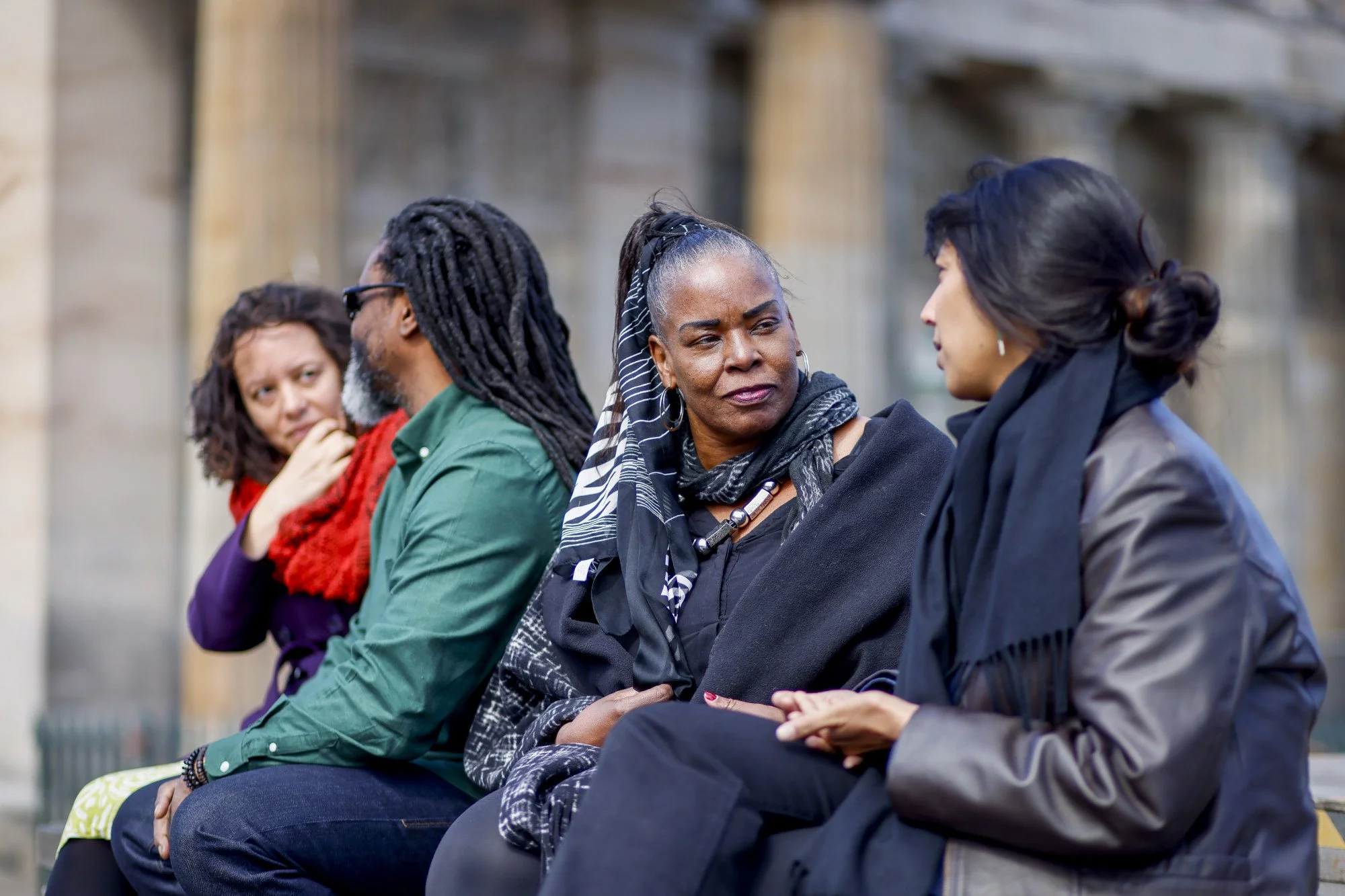
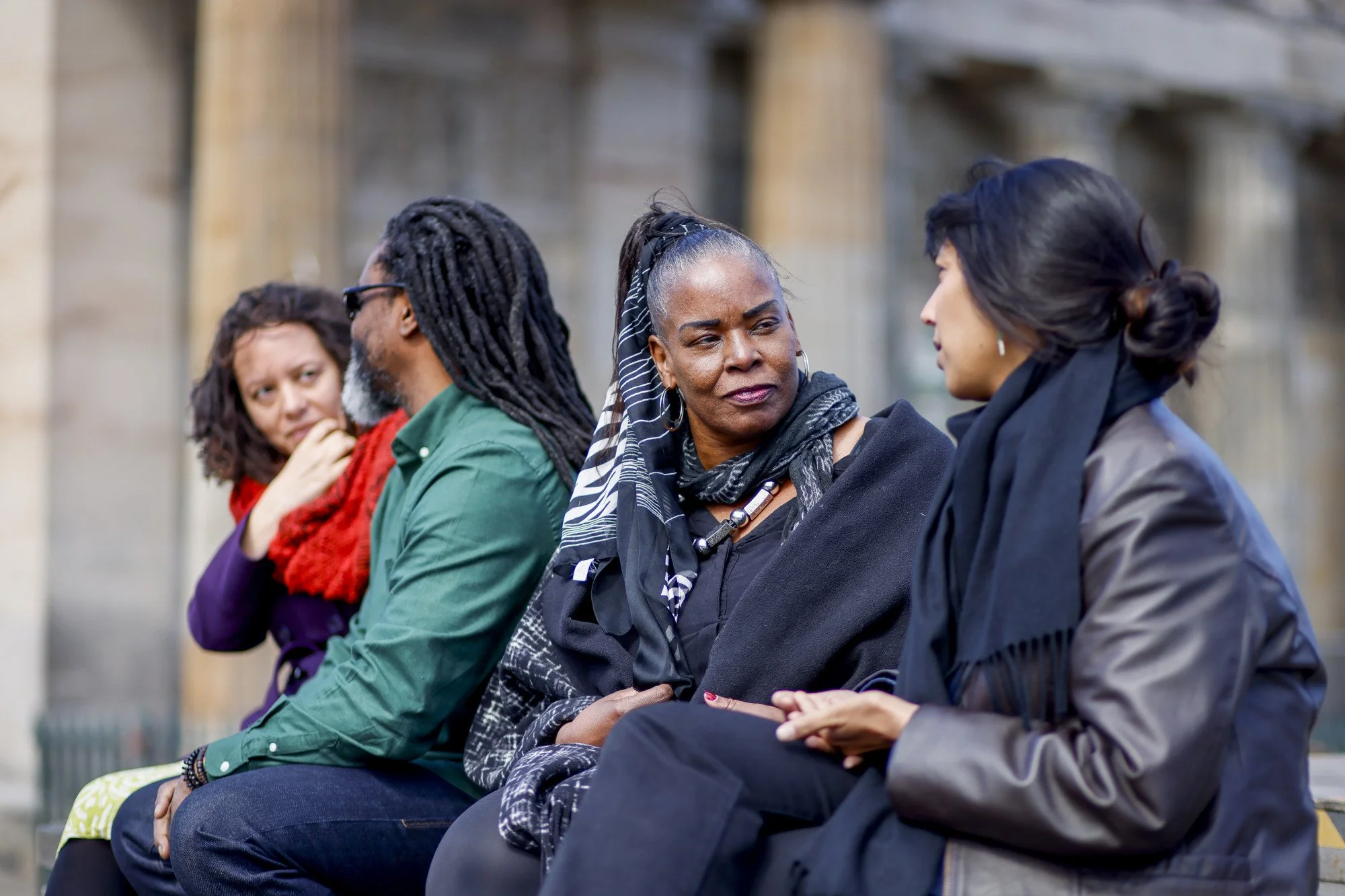
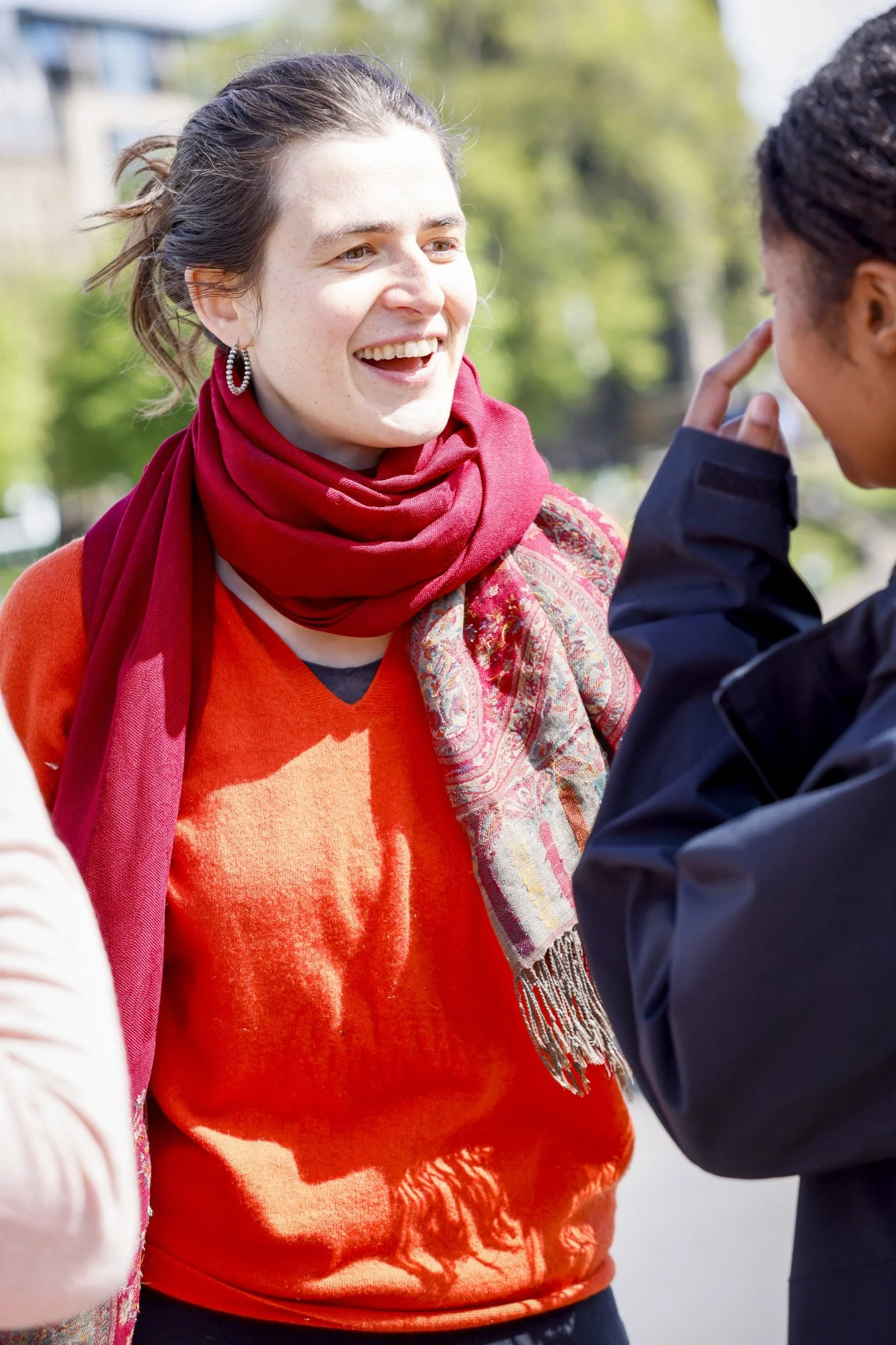
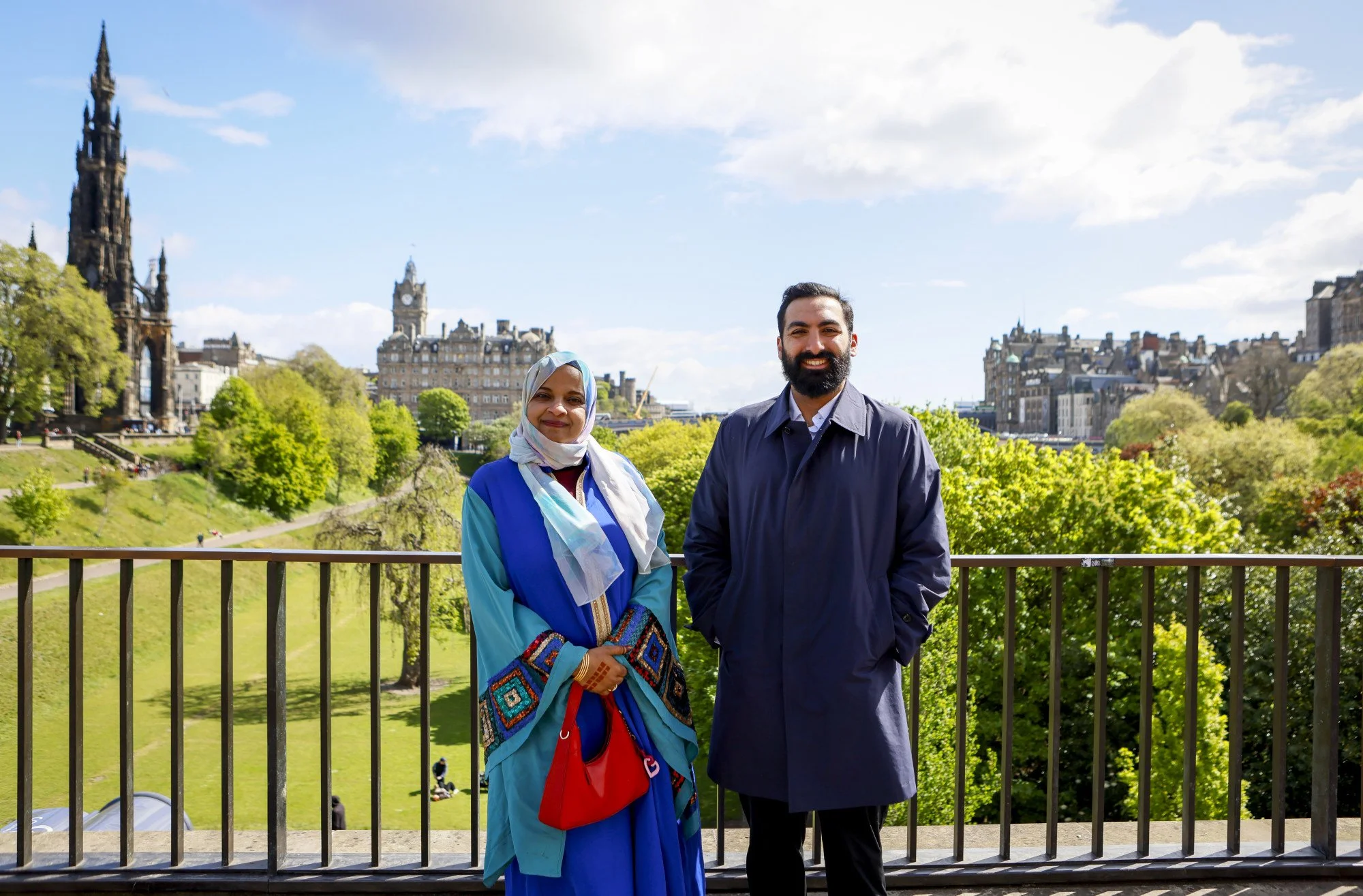
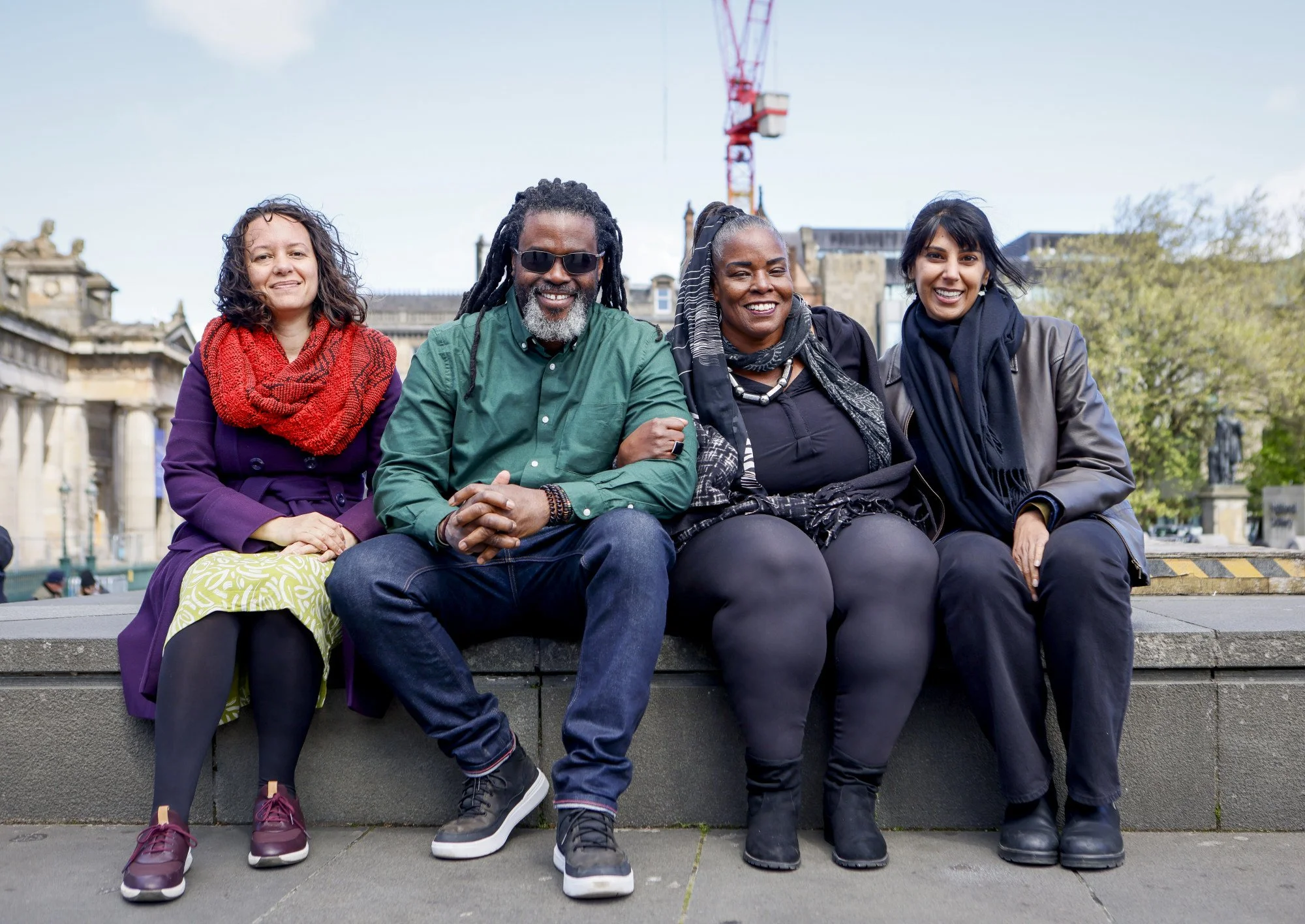
Our cohort:

Sikh Sanjog:

Build culturally safe, community-led support systems for Sikh and wider South Asian communities and beyond, through trusted spaces, early-help approaches, peer leadership and anti-racism advocacy; shifting power so people with lived experience shape responses to poverty, wellbeing and climate justice, while strengthening pathways of support, mutual aid and culturally respectful services.

We are proud to announce that following an open city-wide application process, eleven organisations and collaborative partnerships have been selected to receive sustained support. Following an open city-wide application process, eleven organisations and collaborative partnerships have been selected to receive sustained support.

Below is a list of the projects and short descriptions of each of their goals.

Sikh Sanjog:

Build culturally safe, community-led support systems for Sikh and wider South Asian communities and beyond, through trusted spaces, early-help approaches, peer leadership and anti-racism advocacy; shifting power so people with lived experience shape responses to poverty, wellbeing and climate justice, while strengthening pathways of support, mutual aid and culturally respectful services.

Transition Edinburgh South + Edinburgh Community Food:

Rebuild sustainable local food systems through the co-creation of community farming, centred around a new community-led farm at Little France Park near the Royal Infirmary; creating inclusive and welcoming spaces for local food growing, shared learning, climate resilience and community connection, while increasing equitable access to nutritious food and strengthening community leadership in shaping fairer, more sustainable food futures.

Networking Key Services (NKS):

Work relationally with South Asian communities to challenge stigma around poverty and create pathways into sustainable employment and good lives through skills-building, confidence and peer support, while influencing employers and services toward embedding understanding, equity and genuine inclusivity.

Be United:

Create paid pathways into the creative industries for Black and People of Colour creatives through practical training, mentoring, paid placements and alumni-led leadership development; replacing unpaid and exclusionary routes into the sector with long-term support, fair work and community-led networks, while shifting recruitment, representation and decision-making power across the creative industries.

Scottish BPOC Writers Network:

Co-create equity-driven BPOC-led and centred spaces to safely tell our own unfiltered stories and develop our artistic practices; enrich our lives amidst injustice, precarity, and multiple marginalisations; advocate for and build structural change; and embed a cultural legacy of fair paid work, peer mentorship, power-sharing and inclusive communities.

Lauriston Farm Collective:

Collaborate with North Edinburgh residents to build a diverse community of landworkers who produce and distribute food and herbs in ways that meet community needs while promoting beneficial relationships between people, ecosystems and the climate.

Cables Wynd House Residents Group with Making Rights Real:

Support and empower tenants in Cables Wynd House (Leith) and other Edinburgh council housing to use human rights monitoring to improve housing conditions and strengthening collective power to drive lasting housing systems change.

Living Rent Edinburgh:

Empower tenants to organise locally and fight to improve their home, neighbourhoods and quality of life, with this project focussing on building new neighbourhood branches in three low-income areas of Edinburgh and increasing member density, diversity and BPOC members’ leadership.

Porty Community Energy:

Engage and empower local communities in Portobello and Craigmillar around the development of heat networks, with a focus on people experiencing poverty and those most excluded from shaping energy systems; developing fair, not-for-profit community-owned heating of buildings that reduces fuel poverty, increases participation in climate decision-making and supports a just transition to greener heating.

Sudanese Community in Edinburgh with Edinburgh Science Foundation:

Shift from institution-led climate engagement to community-led climate knowledge, working initially with Sudanese community in Edinburgh to set priorities, choose investigations, control how climate evidence is gathered and shared, and shape how systems respond.

Migrant Justice Edinburgh:

Building a network of migrant organising groups across Edinburgh’s diverse and economically disadvantaged communities to identify shared challenges, co-design solutions, and lead collective action through neighbourhood action plans and city-wide campaigns.

Sikh Sanjog:

Build culturally safe, community-led support systems for Sikh and wider South Asian communities and beyond, through trusted spaces, early-help approaches, peer leadership and anti-racism advocacy; shifting power so people with lived experience shape responses to poverty, wellbeing and climate justice, while strengthening pathways of support, mutual aid and culturally respectful services.

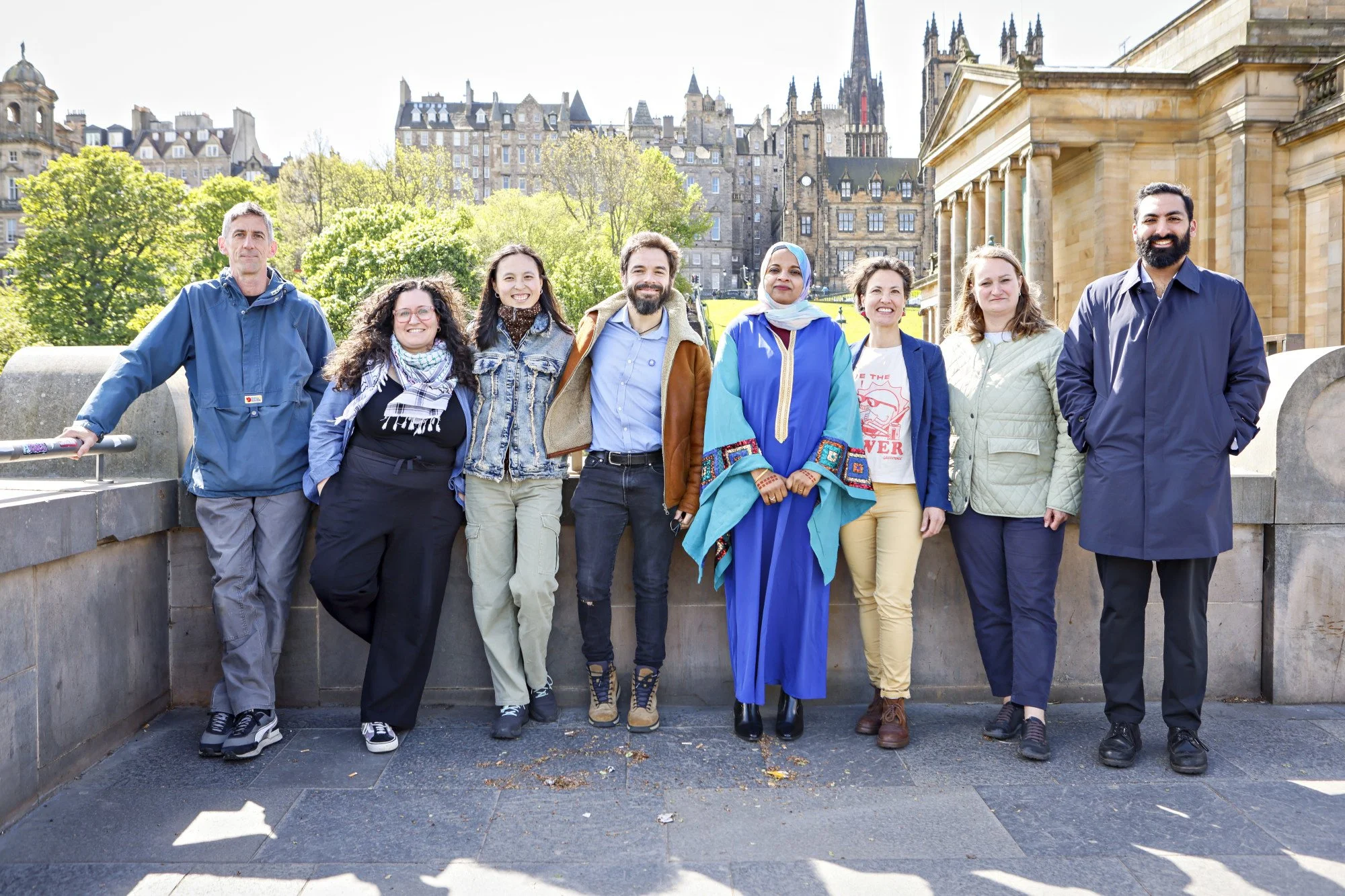
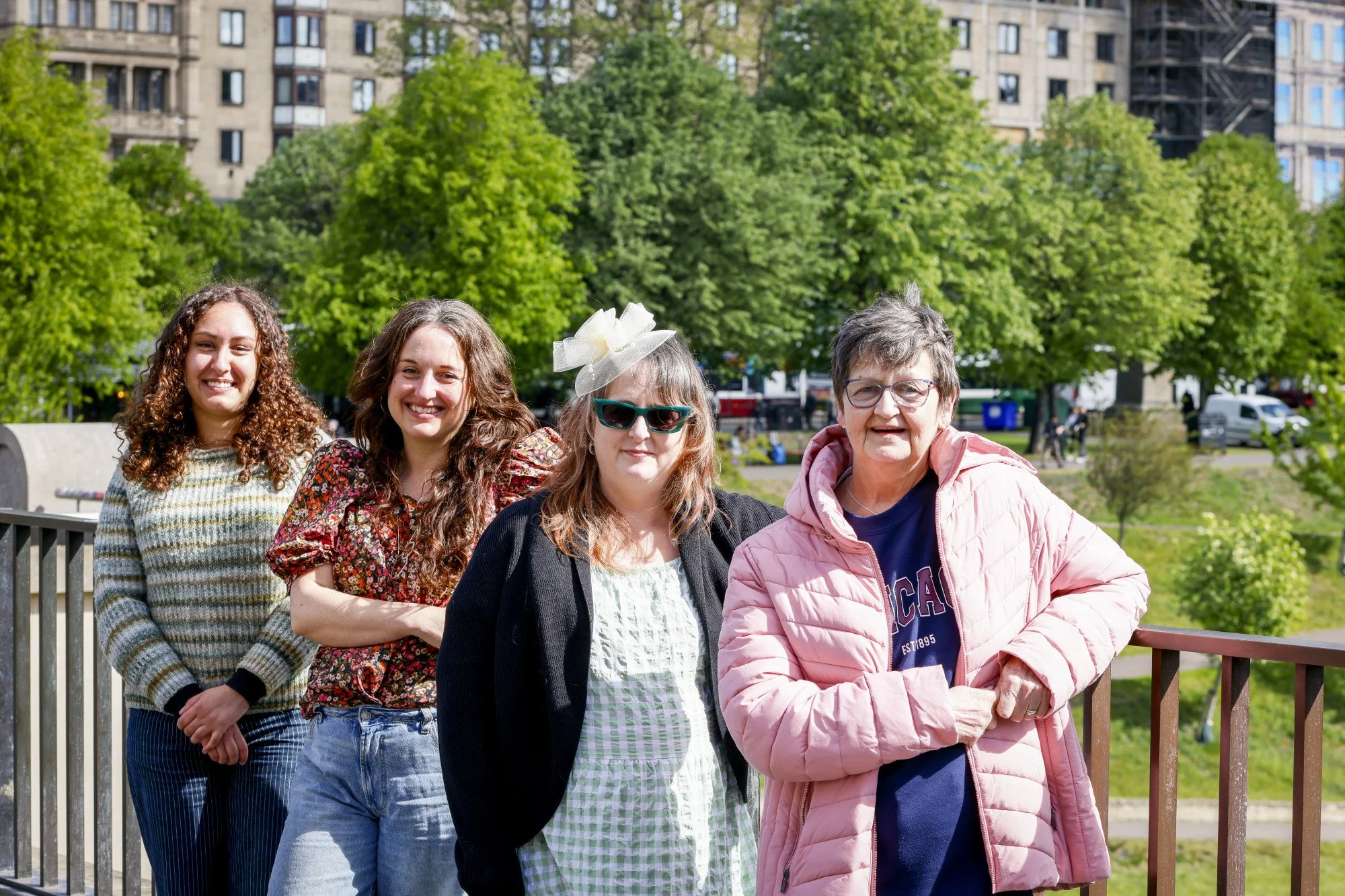
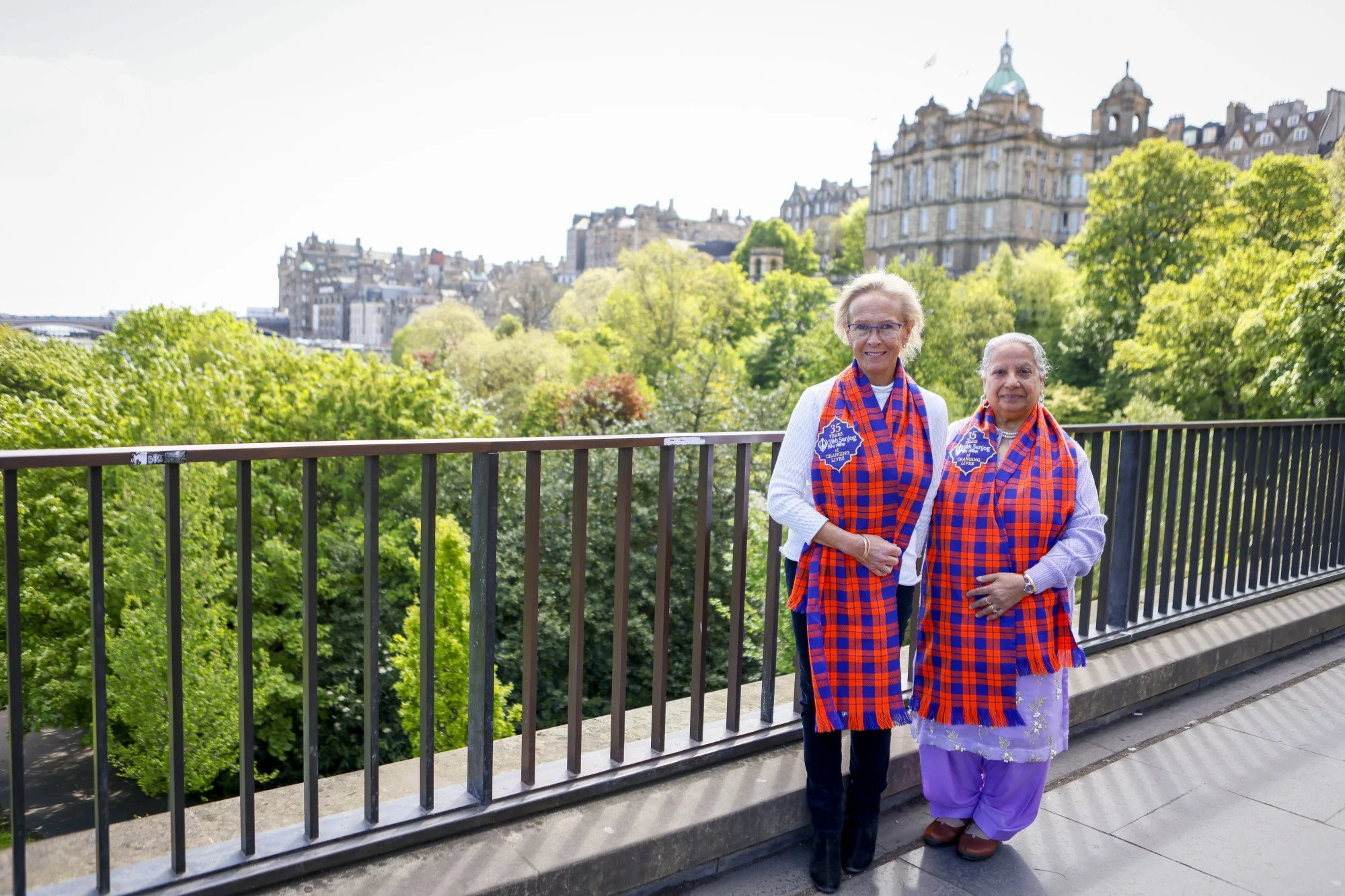
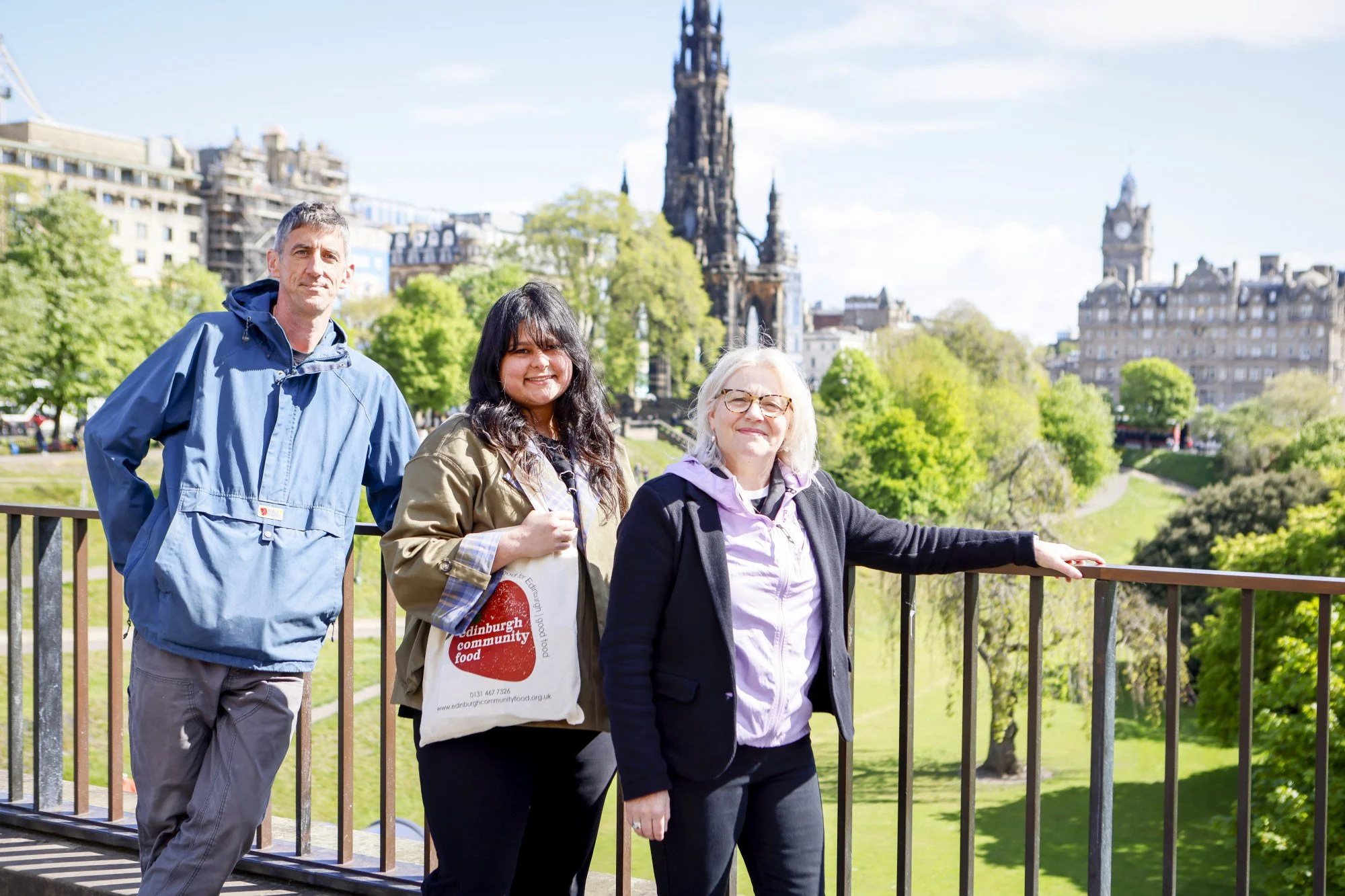
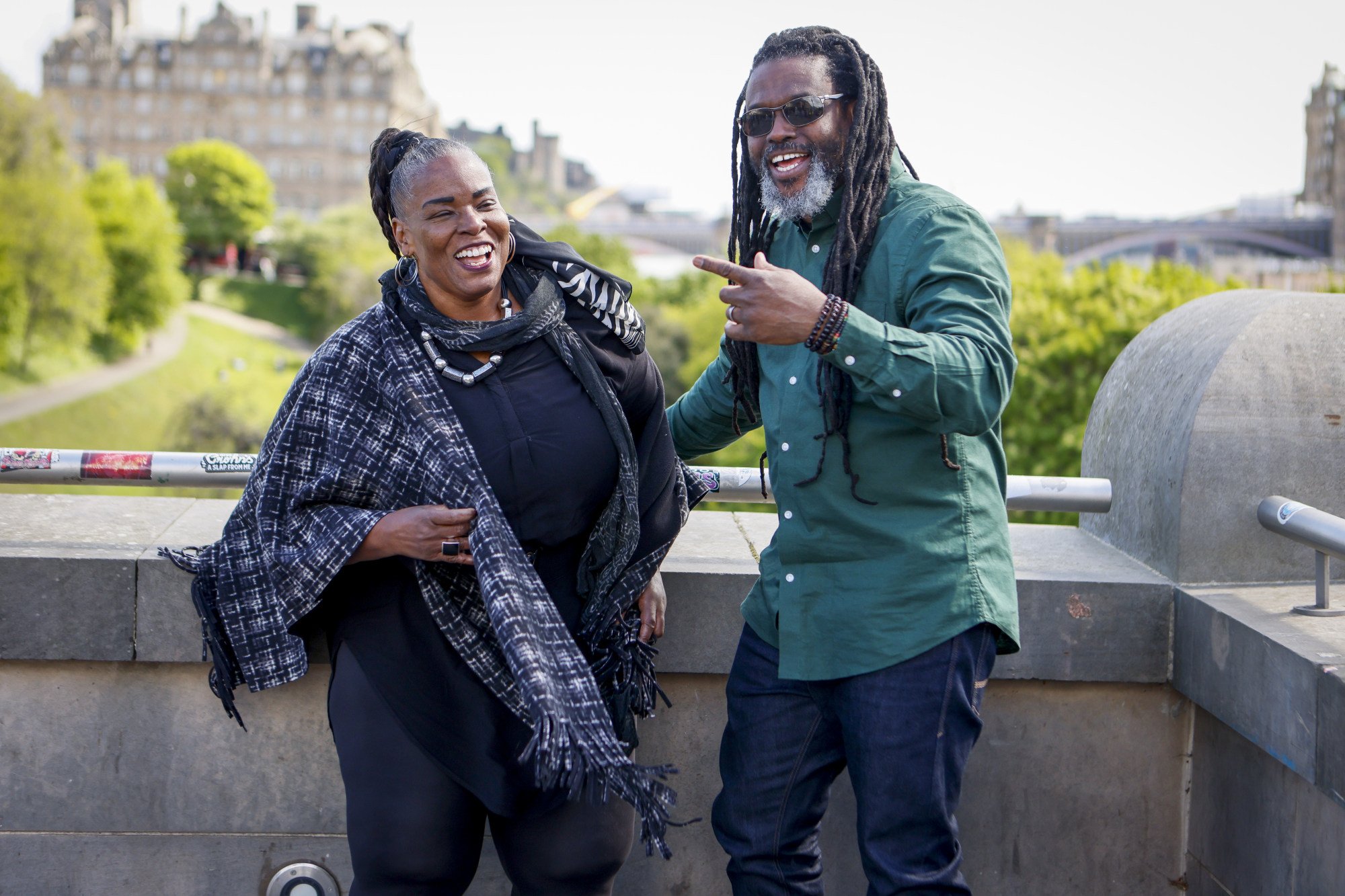
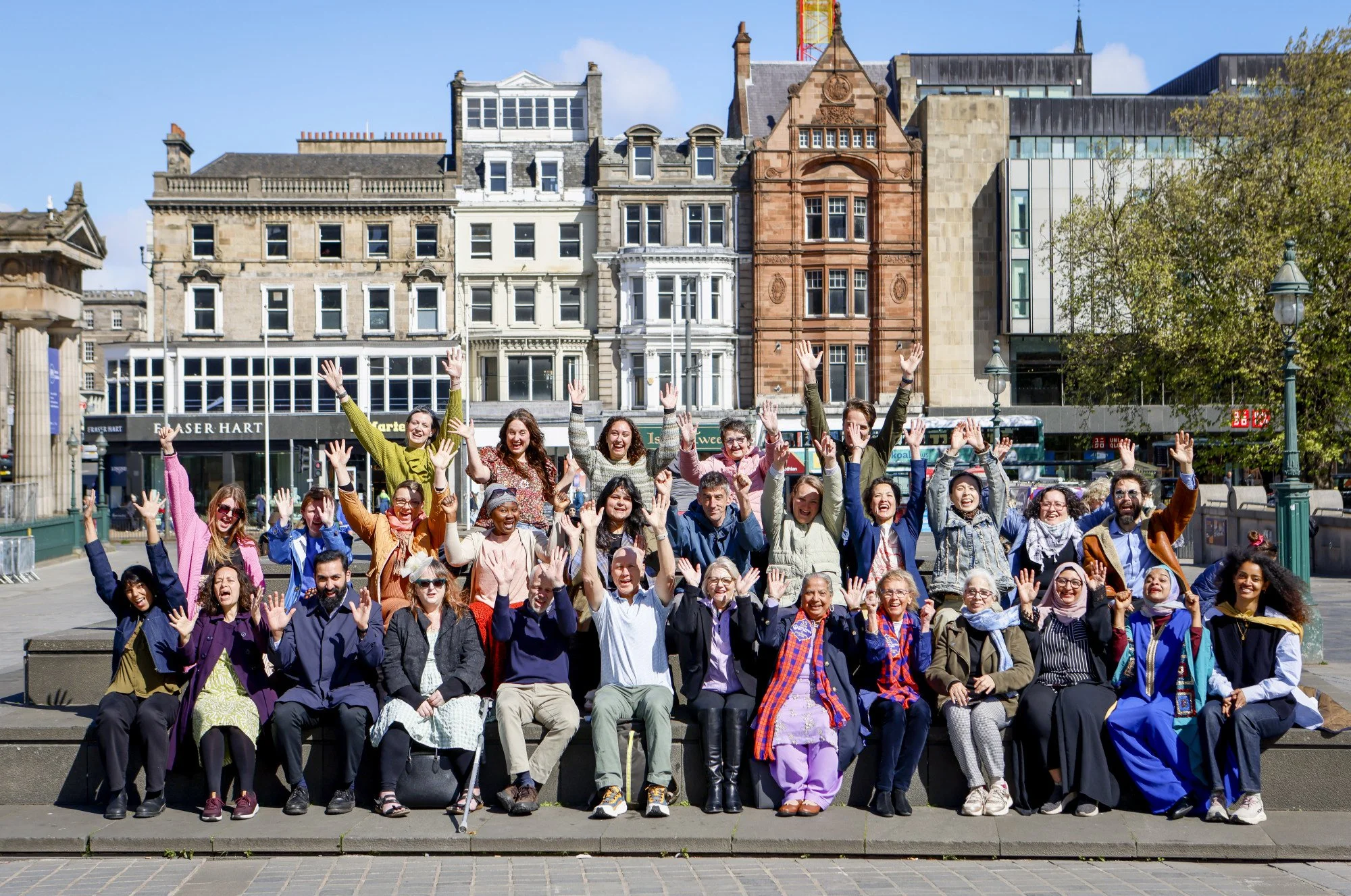
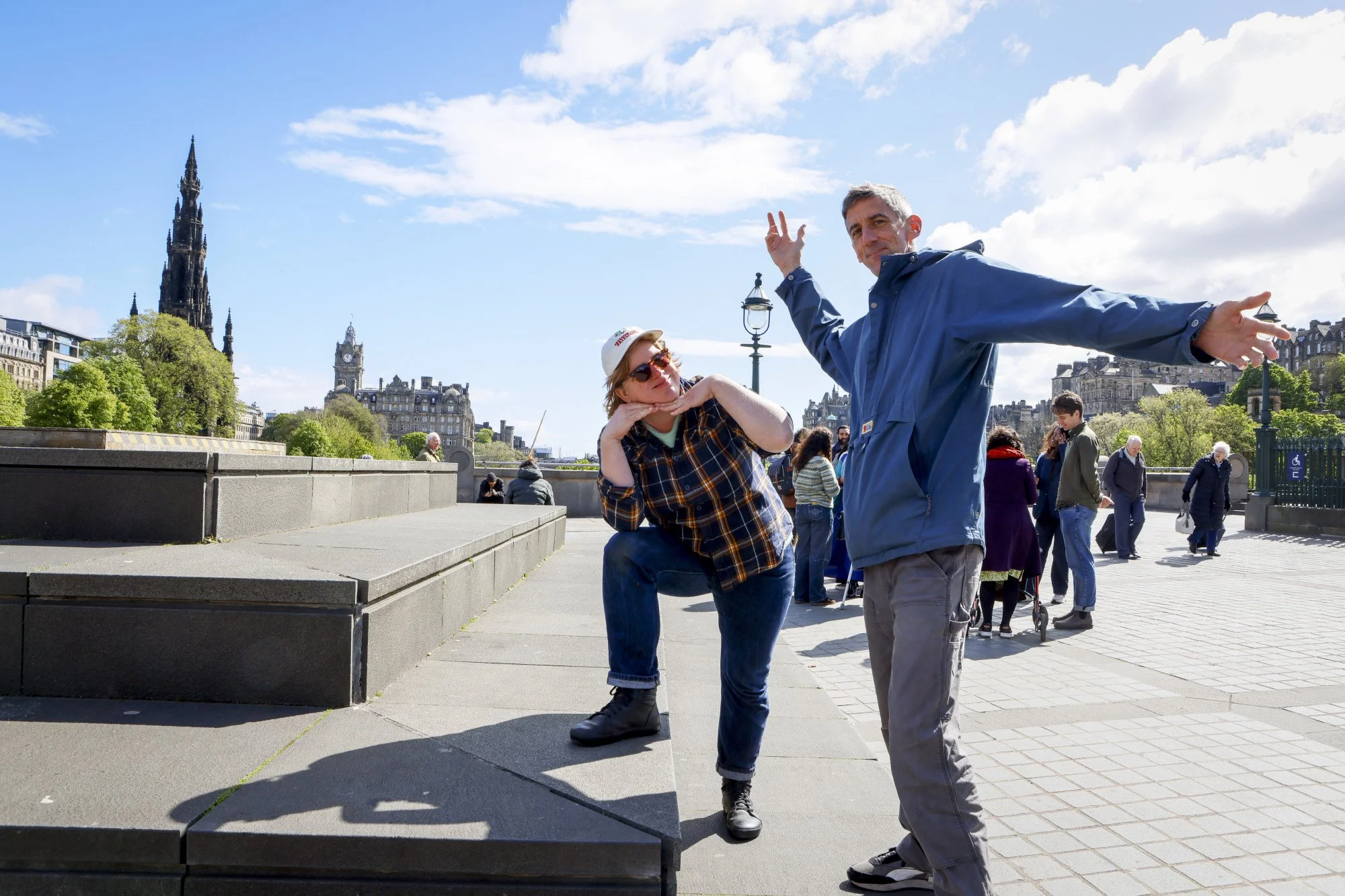
Residents, members of the cohort organisations, and RFF staff celebrating the fund’s launch in May 2026

Transition Edinburgh South + Edinburgh Community Food:

Rebuild sustainable local food systems through the co-creation of community farming, centred around a new community-led farm at Little France Park near the Royal Infirmary; creating inclusive and welcoming spaces for local food growing, shared learning, climate resilience and community connection, while increasing equitable access to nutritious food and strengthening community leadership in shaping fairer, more sustainable food futures.

How we collaborate with residents

During the 10-year programme (2025 - 2035)

Residents will be involved in decision-making at the start of the programme. We also plan for residents to be involved long-term who will be there to learn, challenge and hold organisations and groups accountable.

This programme will be designed together with the residents decision-making panel. Any residents who stay involved long-term will be financially compensated for their time in whatever way is most appropriate for them. They will be supported by Regenerative Futures Fund team throughout this process.

During the development phase (2022 - 2024)

Since September 2022 the fund has been co-designed by a group of individual people.

The group we have worked with are from an existing group called End Poverty Edinburgh which includes people with a diverse range of experiences including people with lived experience of living in poverty and citizens who care about poverty across the city. The group has around 12 members who share a common goal that in order to make change, citizens must be involved and listened to from the outset.

Read more about the End Poverty Edinburgh members group here and in the Learning Report on the co-design of the fund.